
Table of Contents
- 1. What Is a White Label OTT Platform?
- 2. Why Businesses Should Choose a White Label OTT Platform
- 3. Key Features of a Powerful White Label OTT Platform
- 4. How White Label OTT Platforms Help Brands Monetize Video Content Effectively
- 5. How to Choose the Best OTT Platforms
- 6. Future of White Label OTT Platforms
- 7. Conclusion
- 8. FAQs:
Think about the last time you watched something online. Was it on traditional TV or on a streaming app? Today, most people do not wait for any broadcast schedules as they want instant, on‑demand, personalized video experiences. According to the research done by Statista, OTT video advertising revenue worldwide is projected to grow from nearly USD 200 billion in 2024 to over USD 250 billion by 2028, reflecting how audiences are now preferring on‑demand viewing over scheduled broadcasts. This shift shows how fast audiences are moving toward OTT streaming platforms and OTT Services. But the big question is: how can companies get their profit from this trend instead of just relying on the big social platforms? The answer lies in a white label OTT platform, a fully branded streaming solution that helps brands to launch, scale, and maximize monetization of their video content.
What Is a White Label OTT Platform?
A white label OTT platform is a ready-to-use streaming solution that allows brands to launch their own video services without investing heavily in technology development. These platforms are fully customizable, offering control over branding, design, monetization, and user experience.
Many of the best OTT platforms allow creators and businesses to deliver content across mobile, web, Smart TVs, and connected devices effortlessly. For example, a fitness trainer can launch a branded app with subscription tiers and premium content. Similarly, an online education provider can use a white label OTT solution to host recorded lectures, live classes, and certification programs. Students can access structured courses through subscriptions or one-time payments, while the institution maintains full control over pricing, branding, and content access.
There are a few platforms that provide this functionality, letting brands focus on creating high-quality content rather than worrying about technical infrastructure. This flexibility is allowing more businesses to move toward white label OTT solutions to scale their audience and revenue efficiently.
Why Businesses Should Choose a White Label OTT Platform
Many companies compare different providers and look for features that the top OTT platforms typically offer, such as scalability, branding control, and flexible monetization. Here are some of the features that play a critical role in determining how successfully a business can launch, scale, and monetize its OTT service.
- Faster Launch Times
Developing a custom OTT app can take years, but white label platforms reduce launch time to a few weeks. A media company can stream live events and monetize immediately without technical delays. - Full Branding Control
Unlike YouTube or social platforms, white label solutions allow complete control over the viewer experience. Brands can match colors, logos, navigation, and layout to reflect their identity. - Cost Efficiency
Building an OTT platform from scratch is expensive. White label solutions provide enterprise-level technology at predictable costs, making them suitable for both startups and large companies. - Flexible Monetization Options
Brands can use subscriptions, TVOD, AVOD, and hybrid methods. Platforms that follow best practices for monetizing video content on white label OTT platforms ensure maximum revenue. - Scalability and Reliability
A strong OTT platform provider supports millions of concurrent viewers, ensuring seamless streaming during live events. Scalability ensures smooth streaming for live events, courses, or exclusive releases, protecting revenue potential.
Key Features of a Powerful White Label OTT Platform
A comprehensive custom OTT solution provides powerful features that enhance user experience and improve monetization. The best OTT platforms offer multi-device support, advanced video management, AI recommendations, and robust security tools that help brands scale faster and maximize revenue.
1. Multi-Device Support
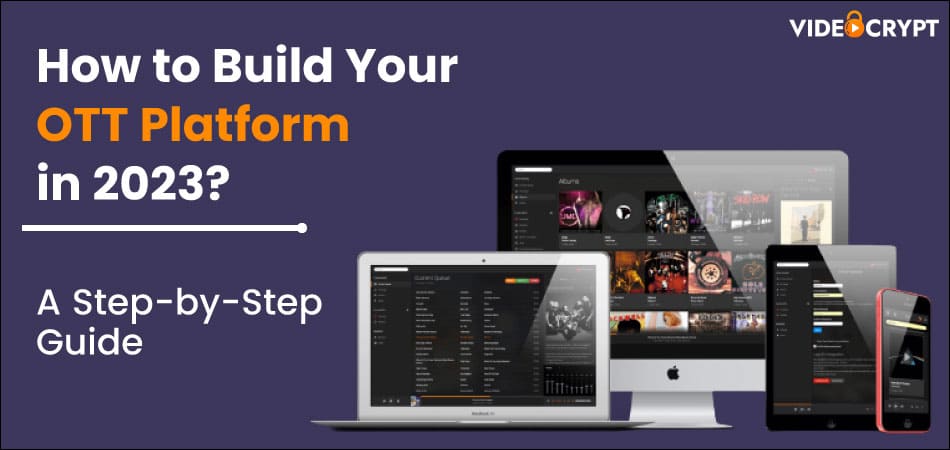
A robust platform ensures that your content reaches audiences wherever they are on mobile, web, tablets, Smart TVs, and even OTT devices like Roku or Fire TV. For example, a fitness brand can stream workouts to users on smartphones during their commute, while others watch the same session on a Smart TV at home. This flexibility increases engagement and expands revenue opportunities across multiple devices.
2. Advanced Video Management
A powerful platform comes with a user-friendly content management system (CMS) that allows brands to upload, categorize, schedule, and manage large video libraries effortlessly. For instance, an educational platform can organize lessons into courses, schedule live sessions, and automatically publish new content, saving time while keeping users engaged.
3. Adaptive Streaming
Adaptive bitrate streaming ensures smooth playback across varying internet speeds. Users with slower connections still enjoy uninterrupted video, while those with high-speed networks get HD or 4K quality. This feature is critical for retaining viewers and minimizing churn, especially during live events or premieres.
4. Integrated Monetization Engine
Supports subscriptions, ads, pay-per-view, and hybrid models. This aligns with proven strategies to monetize video content using white label OTT platforms. Brands can implement subscriptions (SVOD), pay-per-view (TVOD), ad-supported revenue (AVOD), and even hybrid models. For example, a movie studio could offer a monthly subscription for its content library while selling individual premiere screenings separately.
5. Security and DRM
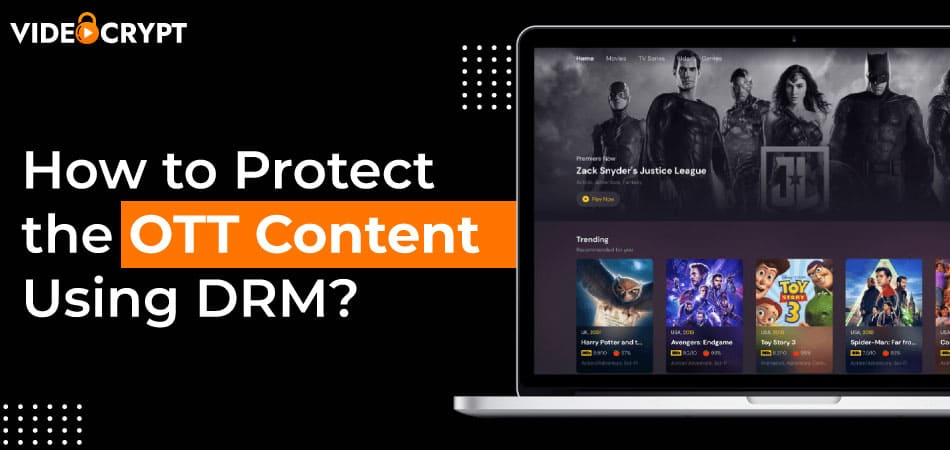
Digital Rights Management (DRM) and security features prevent piracy and unauthorized downloads, safeguarding content and revenue. This is especially important for premium or exclusive content such as paid courses, live concerts, or film releases. Strong security ensures that revenue streams remain protected and content integrity is maintained.
6. AI-Powered Recommendations
Modern platforms use AI to provide personalized video suggestions based on user behavior, watch history, and preferences. This boosts engagement, increases watch time, and encourages users to explore more content. For example, an OTT platform for cooking videos can recommend recipes, live sessions, or premium masterclasses tailored to each viewer.
7. Analytics and Insights
Detailed analytics allow brands to track revenue, watch time, retention, user engagement, and behavior patterns. These insights inform marketing strategies, pricing decisions, and content planning. For example, a learning platform can identify which courses have high engagement and replicate similar content to attract more subscribers. Owning this data is a major advantage over third-party platforms, where analytics are limited.
How White Label OTT Platforms Help Brands Monetize Video Content Effectively
To understand the true value of a white label OTT solution, it’s important to look at how these platforms help brands monetize video content effectively.
- Subscription Revenue (SVOD)
Premium content can be gated behind monthly or yearly subscriptions. For example, an online language learning platform can offer structured courses through subscriptions, ensuring predictable revenue. - Pay-Per-View (TVOD)
Live concerts, workshops, or movie premieres can be monetized individually. Platforms make it easy for creators and studios to sell one-off content efficiently. - Ad-Supported Revenue (AVOD)
Free content can generate revenue through ads. OTT viewers are highly engaged, making advertising more effective than on traditional social platforms. - Hybrid Models
Combining free, subscription, and pay-per-view content helps brands diversify income while catering to different audience segments. - Premium Libraries & Exclusive Access
Educational institutions, filmmakers, and fitness experts can sell special courses or masterclasses directly to their audience. - Community Engagement
Features like watchlists, notifications, and discussion forums increase retention, boosting overall lifetime value. - Data Ownership
Owning data helps brands refine best practices for monetizing video content on white label OTT platforms.
How to Choose the Best OTT Platforms
Selecting the right OTT platform provider is crucial for brands aiming to maximize revenue and deliver a seamless viewer experience. The top OTT platforms offer strong customization options, cross-platform support, and enterprise-grade security.
Here’s what businesses should look for:
1. Full Customization for Branding and User Interface
Your OTT platform should allow complete control over branding, including logos, color schemes, fonts, and layouts. This ensures a consistent brand experience across all devices. For example, a fitness brand using a white label OTT solution can design its app interface to reflect its unique style, making it instantly recognizable to subscribers.
2. Support for Monetization Strategies
The provider should support SVOD, TVOD, AVOD, and hybrid models along with guided strategies to monetize video content using white label OTT platforms. There are such platforms that make it easy to implement these strategies without complex technical setups.
3. Multi-Device Compatibility
Viewers access content from a variety of devices, including smartphones, tablets, web browsers, and Smart TVs. Your provider should offer cross-platform support to ensure consistent playback quality and experience. This is particularly important for live events, educational courses, or premium content where viewer satisfaction directly impacts revenue.
4. Scalability for Millions of Viewers
A reliable OTT platform must handle high traffic, especially during live events, premieres, or trending content releases. Scalability ensures uninterrupted streaming and avoids downtime, protecting revenue and enhancing brand credibility.
5. Robust DRM and Security
Content security is critical to prevent piracy and unauthorized sharing. DRM and advanced security protocols protect premium or exclusive content, ensuring your monetization strategies are safe and revenue streams remain intact.
6. Transparent Pricing and Reliable Support
Choose a provider that offers clear pricing models without hidden costs. Additionally, responsive technical support ensures smooth operations, timely troubleshooting, and guidance on platform optimization.
Future of White Label OTT Platforms
The OTT market is evolving rapidly, driven by technological advancements and changing consumer expectations. As audiences demand more personalized, interactive, and high-quality experiences, custom OTT solutions are adapting to meet these needs.
1. AI-Powered Personalization and Recommendations
Future platforms will increasingly leverage artificial intelligence to provide highly personalized content suggestions. By analyzing viewer behavior, watch history, and preferences, AI can boost engagement and retention. For example, a cooking OTT app can recommend recipes, live cooking classes, or premium workshops tailored to each user’s interests, helping brands increase monetization.
2. Multi-Language and Global Distribution
As OTT content reaches international audiences, support for multiple languages and region-specific content is becoming essential. This allows brands to expand globally, tapping into new markets without significant localization challenges. White label platforms enable creators to distribute content worldwide while maintaining brand consistency and revenue streams.
3. Immersive Streaming Experiences (4K, 8K, and VR)
High-resolution streaming, including 4K, 8K, and even virtual reality, is becoming more common. These immersive experiences enhance viewer engagement, particularly for live events, concerts, or premium films. OTT platforms that support advanced streaming technologies enable brands to deliver cinematic-quality experiences from the comfort of home, creating new opportunities for premium pricing and monetization.
4. Interactive Commerce and Shoppable Videos
The future of OTT is not just about viewing, it’s about interaction. Platforms are integrating e-commerce features, allowing viewers to shop directly from videos, enroll in courses, or purchase merchandise while streaming content. This opens additional revenue streams and enhances user engagement.
5. Data-Driven Content Strategies
As OTT platforms evolve, analytics and data insights will become even more critical. Brands will be able to predict trends, optimize content, and tailor monetization strategies based on real-time audience data, improving both retention and profitability.
Conclusion
White label OTT platforms give brands the freedom to control content, branding, audience experience, and monetization without relying on third-party platforms. With flexible revenue models, scalable infrastructure, AI-driven personalization, and full data ownership, businesses can turn video content into a sustainable growth channel. Choosing the right solution allows brands to launch faster, scale globally, and maximize revenue while delivering seamless viewing experiences. Platforms like VideoCrypt help businesses achieve this with a secure, customizable, and monetization-ready OTT ecosystem.
FAQs:
1. What is a white label OTT platform?
Ans: A customizable solution that allows brands to launch a streaming service without developing technology from scratch.
2. How can brands monetize with OTT platforms?
Ans: Through subscriptions, pay-per-view, ad-based revenue, and hybrid models on platforms like VideoCrypt.
3. Who can benefit from custom OTT solutions?
Ans: Media, education, fitness, corporate training, niche creators, religious organizations, and more.
4. Why not just use YouTube or social platforms?
Ans: White label platforms provide control over content, branding, user experience, and revenue, unlike social platforms.
5. Can white label OTT platforms support millions of viewers?
Ans: Yes, high-quality solutions are scalable and support multiple devices globally.